

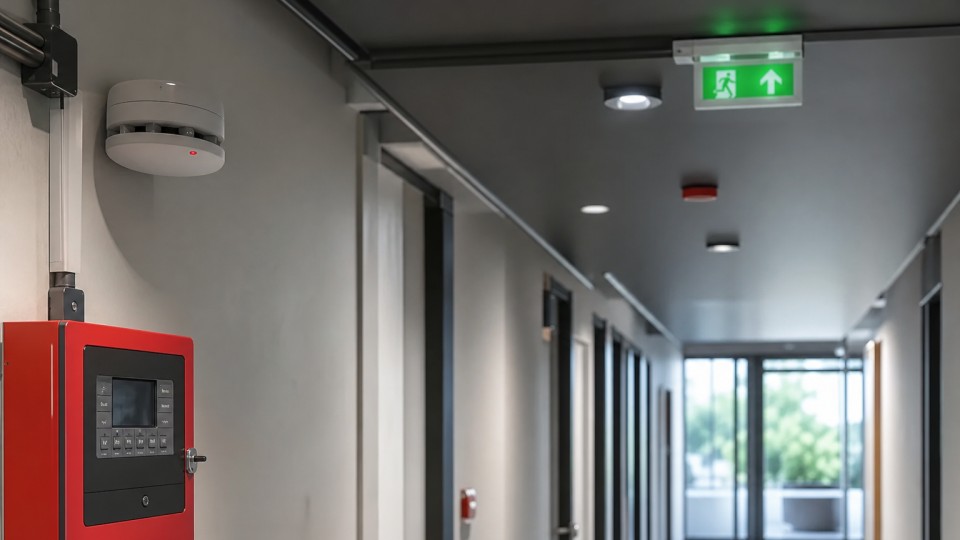
Smart fire discussions start with connected smoke alarms yet stall on false alarms, protocol silos, and unclear O&M ownership. Mature 2026 programs fuse smoke, CO, temperature, and gas at the edge before feeding fire panels and city platforms. Senseiot helps integrators build verifiable sensing foundations across residential, commercial, warehouse, and ESS extensions.

From single smoke to multi-signal early warning
Optical smoke alone struggles with cooking steam and dust—commercial kitchens and loading docks false-alarm. CO, heat gradients, or LEL channels distinguish smolder from nuisance with 2-of-N or temporal rules.
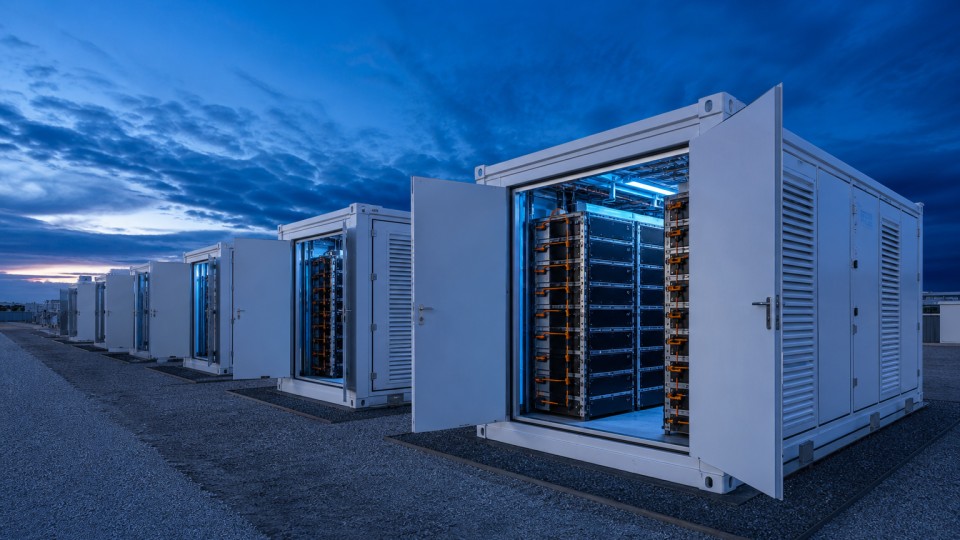
In ESS and EV charging, gas may precede smoke; composite sensing supplements—not replaces—code-listed fire systems.
See the smart fire safety portfolio.
Layered architecture: sensing, edge, platform
Sensing: smoke, CO, heat, gas; edge: regional gateways fuse alarms, local horn/strobe, offline buffer; platform: property panels, municipal IoT, corporate EHS.
Interfaces may include GB 26875 transmitters, MQTT/HTTP SaaS, BACnet where applicable—confirm vendor certification early.


Scenario splits: residential, commercial, warehouse
Residential: low-power cellular smoke with OTA; battery and tamper matter. Malls: zoned networks linked to PA/smoke exhaust; kitchens get separate rules. Warehouses: high-bay layering plus LEL at docks.
SKUs and certifications differ—avoid one-size smoke heads.
False-alarm governance
Algorithms: dynamic thresholds, time-of-day cooking profiles, multi-sensor voting. O&M: documented smoke tests, cleaning, bypass audits with dual approval.
Senseiot modules expose sensitivity tuning and diagnostic fields—start with explainable rules before ML.

Relationship to code-listed systems
IoT sensing supplements listed fire alarm products—especially in retrofits, temp storage, and ESS. Define boundaries and responsible parties in design docs.
Engage local fire authorities on data interfaces and test methods early.
Implementation tips
Pilot zones for false-alarm rate and linkage latency; SOPs for bypass and test; long-life supply chains.
Browse the sensor catalog or contact support; submit scenarios via request a quote for BOM and protocol matrices.