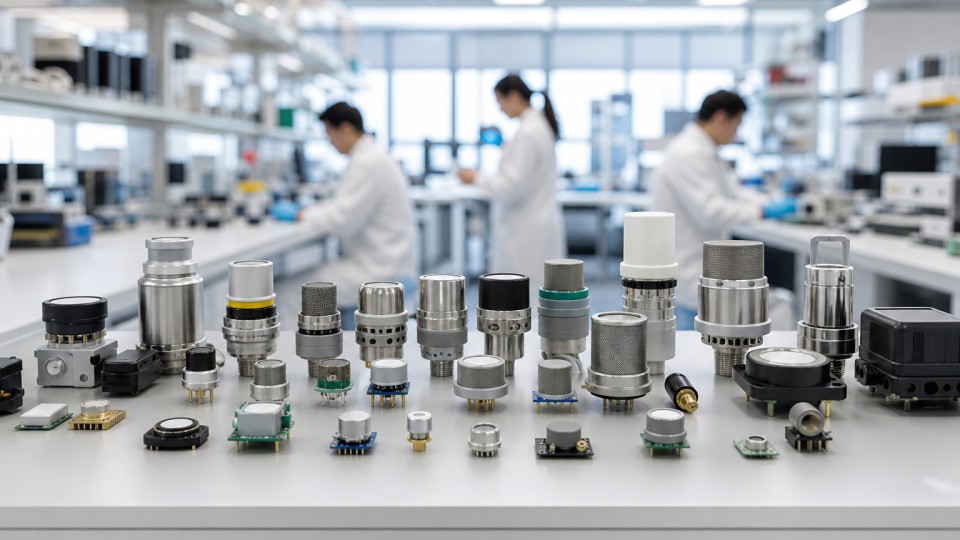

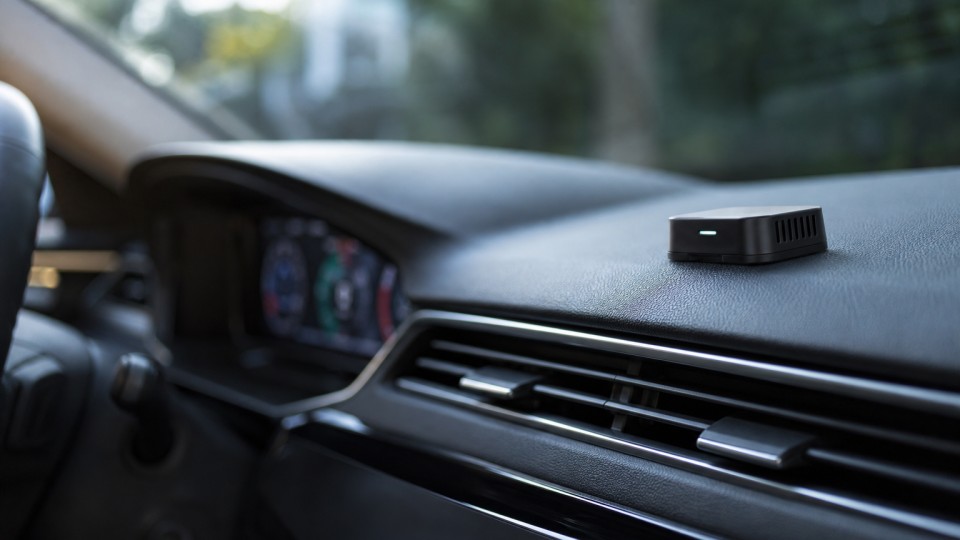
“Dizzy within three minutes”—occupant complaints are pushing OEMs to rethink CO₂, PM2.5, and VOC sensing in HVAC loops. In 2026, more nameplates pre-install modules for auto recirculation, filter-life prediction, and one-touch refresh scenes. Senseiot supports Tier1 and EV programs where cabin IAQ becomes a differentiation battleground.

Three cabin IAQ user scenarios
Commute sealing: winter recirculation plus multiple occupants spikes CO₂ and drowsiness. New-car off-gassing: summer heat drives VOC/formaldehyde peaks at door open. External pollution: tunnels and congestion raise PM2.5—switch recirculation and warn to close windows.
Each scenario demands different response times, ranges, and compensation. NDIR CO₂ must balance low power and automotive vibration; VOC must separate renovation off-gas from lifestyle odors.
See the automotive sensor portfolio for platform-specific picks.
Factory architecture: where sensors live in HVAC
Typical points: intake (outside PM2.5/CO reference), mix box (recirc CO₂/VOC), and outlet (occupant feedback). Multi-point fusion separates external vs. in-cabin sources.
Unlike desktop aftermarket gauges, in-dash modules endure -40 to +85 °C, vibration, and EMC. Package size and pressure drop need CFD validation.
Digital buses (I²C/UART/LIN) suit ECU integration; analog persists in low-cost trims with higher calibration burden.

Algorithms and linkage: strategy, not just readings
OEMs embed IAQ in scene engines: pre-recirc before tunnels; auto refresh after 30 min park; child mode caps CO₂ with quieter airflow.
Fusion with occupancy, window state, and HVAC mode avoids over-ventilating solo drivers. EV brands OTA-tune thresholds over time.
Senseiot supplies module consistency and compensation curves to shorten ECU calibration. Submit platforms via request a quote.
Filter life: a second value stream from sensing
PM channels predict HEPA/carbon life via pressure proxies or count trends—replacing fixed mileage swaps. Users perceive savings; aftersales gain precision parts opportunities.
Regional PM loads differ—algorithms need localized or cloud-updated parameters.

Regulatory momentum
Cabin IAQ remains mostly OEM and third-party ratings today, yet health-car and NCAP discussions intensify. Early data logging eases future disclosure.
Export SKUs must watch EU material and HVAC microbial rules—sensor packs may diverge by market.
Selection advice: module, calibration, service
Compare more than unit price—lot consistency, AEC-Q roadmap, FAE response, and failure analysis matter. Stage via bench/HIL before climatic road tests.
Browse the sensor catalog or contact support for Senseiot automotive kits and sampling.