

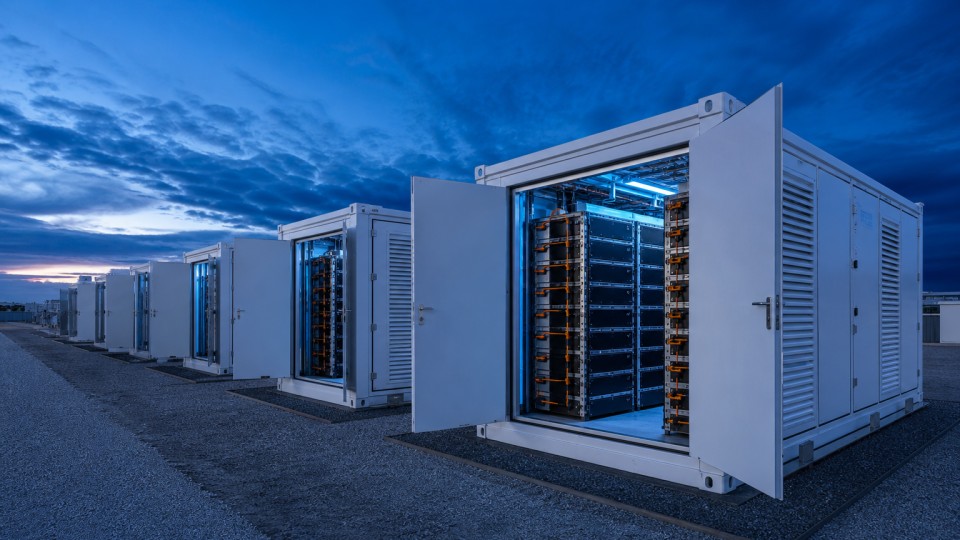
As commercial energy storage scales, BMS roles expand from balancing and SOC estimation to full-chain safety guardianship. Post-incident reviews in 2025–2026 show voltage anomalies often arrive late—temperature gradients, electrolyte vapors, and combustible gas trends surface earlier. Senseiot treats sensing upgrades as the core delta of BMS 2.0.

Why legacy BMS sensing granularity falls short
Mainstream BMS uses sparse NTC points with slower sampling—spatial lag hides cell-level hotspots until damage is advanced.
Voltage and temperature alone cannot distinguish normal fast-charge heat from internal short precursors. The industry adds module VOC, H₂/CO composites, and cabinet pressure for cross-checks.
These layers complement—not replace—BMS, forming an ESS safety sensing tier aggregated by edge safety controllers.
Early thermal runaway signatures: gradients plus gas
Field and lab data show pre-runaway local heating rates, solvent VOC rises, and trace H₂/CO release. Single channels false-alarm; combined rules cut misses.
Engineering favors 2-of-3 logic: gradient + gas slope + micro voltage anomaly triggers tier-2; tier-3 confirms before isolating charge/discharge, exhaust, or pre-action fire.
Senseiot industrial gas and temperature modules target low cross-sensitivity, wide temperature, and stable zeros for BMS buses or safety PLCs.


Integration architectures: independent safety loop vs deep fusion
Path A: standalone safety monitoring (SMS) with separate logic and actuators; Path B: sensors feed BMS expansion I/O with unified vendor algorithms—tighter but slower to upgrade.
2026 favors SMS plus standard BMS reporting: SMS handles millisecond isolation and exhaust; BMS handles energy and SOH; CAN/Modbus or hardwired status exchange.
Define ownership for sensor faults, algorithm false alarms, and actuator failures before acceptance—clear boundaries beat spec debates.
Deployment: placement, baseline, and maintenance
Gas heads avoid direct duct blast, sitting in stagnant zones; temperature covers busbars, module cores, and exhaust paths. Record baselines across empty and full cycles.
EMI and coastal salt demand shielded cabling and grounding per EPC specs. Merge annual zero checks, NTC cross-checks, and filter swaps with planned outages.
Submit cabinet type, chemistry, and target codes via request a quote for BOM and interface guidance.


Standards and certification momentum
ESS safety codes evolve quickly; gas monitoring plus ventilation linkage appears on more acceptance checklists. Align sensor packs with local fire and grid requirements early.
Senseiot helps prepare datasheets—range, T90, zoning, test methods—for third-party labs.
Insurers and O&M SLAs increasingly reference verifiable early-warning data in pricing.
Action plan: phased validation, avoid sensor stacking
Not every site needs full composites. Tier by capacity, chemistry, and environment: residential/small C&I may use gradients + smoke; large hubs add gas and exhaust interlocks.
Pilot 1–2 representative cabinets for 6–12 months before fleet rollout—cheaper and better thresholds than site-wide over-instrumentation.
See the sensor catalog or contact support to review your BMS architecture with Senseiot engineers.