

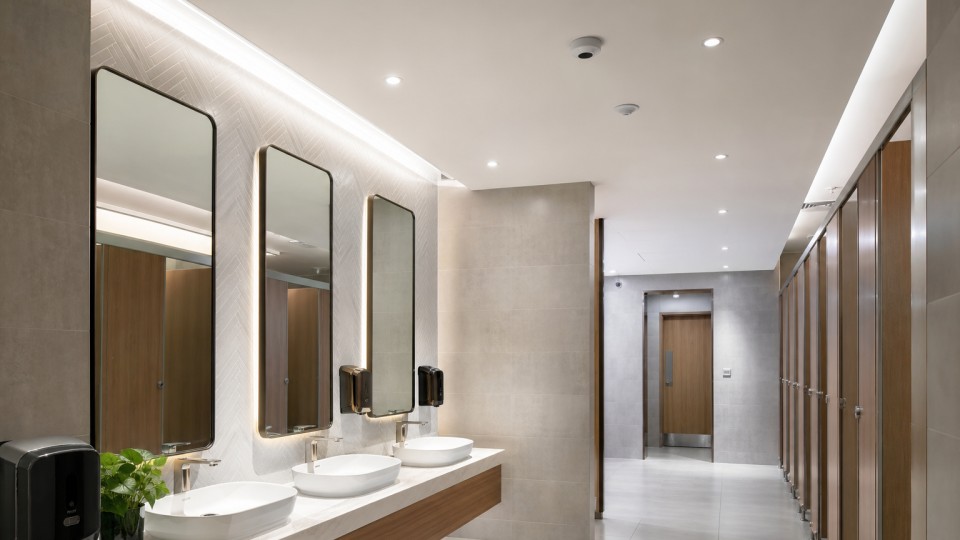
Odor complaints often arrive after data goes missing—cleaning rounds completed, fans running, yet visitors still feel discomfort. In late 2025, a 5A scenic area in East China, supported by Senseiot, retrofitted 42 restrooms with NH₃, H₂S, and occupancy sensing to drive ventilation, deodorizing, and cleaning dispatch. Three months post go-live, district O&M headcount dropped about 30% while peak-day complaints fell sharply.

Background: from scheduled cleaning to demand response
Restrooms previously relied on fixed cleaning rounds and manual sniff checks—insufficient during holiday surges. Management needed measurable hygiene loops without major staffing increases.
Goals were clear: real-time odor by zone, peak occupancy visibility, automated fan/deodorizer linkage, and ticketed exceptions. Sensors had to survive humidity, intermittent high gas loads, and limited power.
Design followed the smart public toilet sensor portfolio, using low-power gateways for scattered sites.
Sensor placement: stalls, aisles, and exhaust points
Each restroom split into 2–4 zones. NH₃/H₂S electrochemical modules mounted 1.5–2 m above stalls; aisles carried temp/humidity for compensation; exhaust points verified airflow effectiveness.
Occupancy combined IR beams and stall status to avoid PIR miscounts in cubicles. Data uploaded every 1–5 minutes with edge smoothing to prevent fan hunting on spikes.
Walk-throughs with cleaning crews ensured probes were not hit by pressure washers or coated by deodorizer mist—critical for electrochemical life and zero stability.

Linkage logic: tiered alerts and coordinated equipment
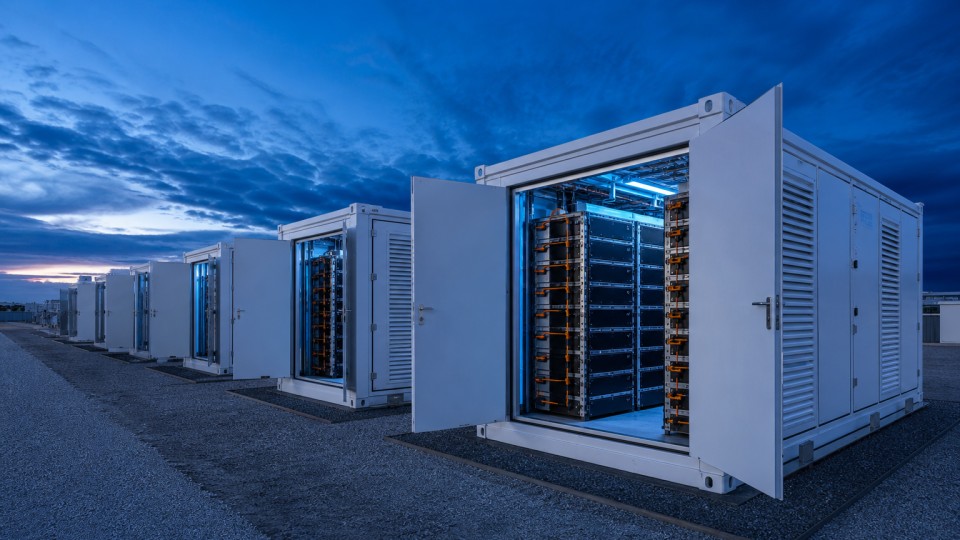
Three tiers: advisory mobile alerts for cleaners; alarm boosts fans and logs events; severe tier runs deodorizers at full power and opens work orders. Thresholds tuned seasonally—NH₃ in summer, H₂S and stale air in winter.
Tiered control kept cumulative fan/deodorizer runtime reasonable over three months, extending equipment life and saving power versus “always full on.”
Logic runs on edge gateways for offline closure; logs backfill when links recover for audit compliance.
Platform and work orders: data enters KPI contracts
Feeds merged into the scenic operations platform with maps, cleaner GPS, and ticketing. Managers review 24 h odor curves, heatmaps, and device actions; “unresolved exceedance duration” entered outsourced cleaning SLAs.
Supervision shifted from spot checks to metric-driven oversight. One peak weekend, East-2 men’s H₂S stayed high—a ticket dispatched and resolved in 12 minutes; before retrofit, such events surfaced only via complaints.
Planning restroom upgrades? Submit scale and environment via request a quote for layout guidance.


O&M and calibration: long-term thinking in humid sites
First 90 days were threshold tuning: weekly baselines vs. manual inspections, adjusted alarm lines, flagged drifting heads. Month four onward: monthly zero checks, semi-annual cross-reference.
Senseiot supplied spares and remote diagnostics—rapid drift triggers “moisture or clogged pre-filter” hints instead of blind replacements. Electricians replaced filters after one training session.
Humid restroom projects succeed half on hardware, half on SOPs. Embed sensor care in restroom maintenance playbooks.
Replicable lessons and next steps
Reusable patterns: zoned monitoring, tiered linkage, ticket closure—not dashboard-only deployments. Municipal rollouts can add water/leak sensing for pipe losses.
Phase two pre-wires 18 new rest stops during construction. Senseiot is aligning data APIs with smart-city assessment metrics in multiple cities.
Browse the sensor catalog for NH₃/H₂S modules or contact support for site surveys and pilots.