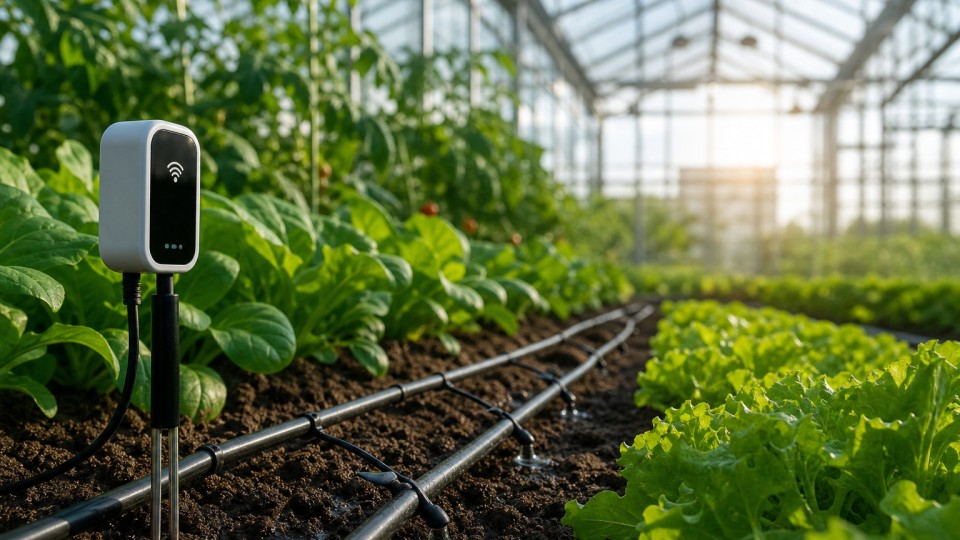


As green certifications and occupant wellness become core real-estate KPIs, indoor air quality (IAQ) monitoring is no longer optional—it is foundational to smart buildings. In 2026, Senseiot sees owners asking not only “Can we measure CO₂?” but also how data drives ventilation savings, integrates with BMS, and delivers a visible wellness story to tenants.
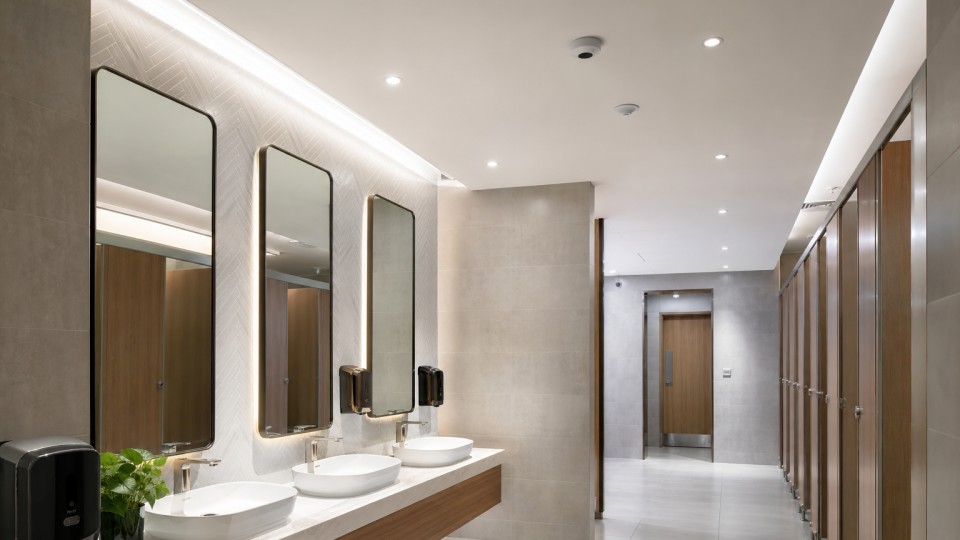
From compliance to experience-led operations
For years, CO₂ thresholds were the minimum ventilation compliance target. In 2026, operators embed IAQ metrics into leases, ESG reporting, and employee satisfaction—turning “healthy buildings” into measurable brand assets.
Sensor placement now extends beyond meeting rooms and AHU zones to open offices, nursing rooms, and retail pods where occupants feel air quality most acutely. Data must be accurate, explainable, and ready for tenant-facing dashboards.
Senseiot recommends planning IAQ alongside the broader smart building sensor portfolio to avoid duplicate wiring and incompatible gateways later.
Multi-parameter fusion: beyond CO₂ alone
Single CO₂ channels cannot cover renovation off-gassing, seasonal allergens, or localized odors. Mainstream 2026 specs trend toward CO₂ + TVOC/formaldehyde + temperature/humidity, with PM2.5 added in premium projects.
Fusion succeeds when cross-interference, timestamps, and alarm logic are unified. Mixed vendors and sampling intervals make BMS linkage unreliable and increase false alarms.
Senseiot modular IAQ kits share digital interfaces for PLC, IoT gateways, and third-party platforms. Browse the sensor catalog to match modules to your spaces.

Edge intelligence: filter, alert, and save energy locally
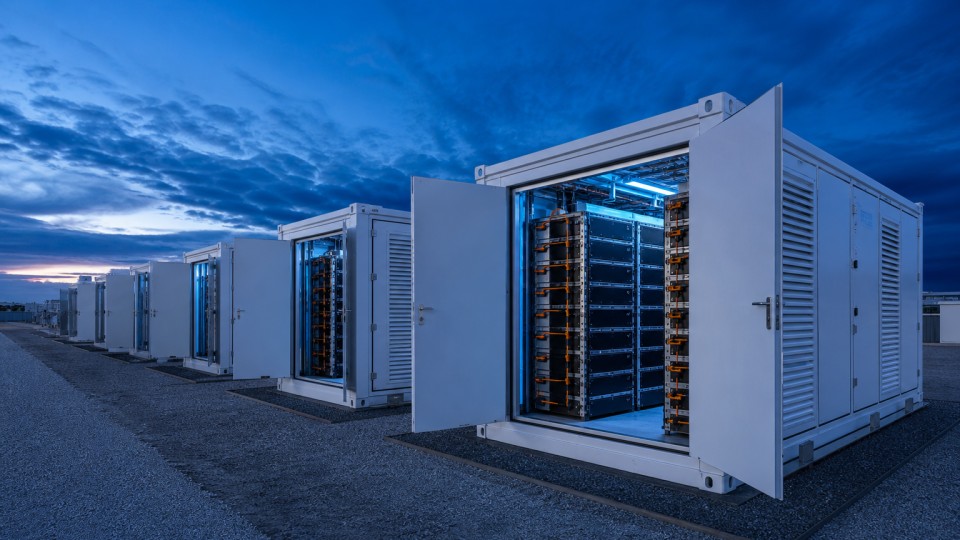
Uploading raw waveforms from every floor strains bandwidth, latency, and privacy. More projects now use edge preprocessing—moving averages, drift compensation, thresholds, and short-loop control at gateways or zone controllers.
Example: if CO₂ stays high for 15 minutes while outdoor PM2.5 is low, the edge node boosts fresh air; if outdoor pollution spikes, it switches to recirculation and advises closing windows—faster than cloud round-trips.
Cloud still excels at history, portfolio analytics, and calibration workflows. The design question is which decisions must close locally versus centrally.
Deep linkage with HVAC: health and efficiency together
Constant-volume systems often over- or under-ventilate without real-time load feedback. Demand-controlled ventilation (DCV) scales in 2026: CO₂ and occupancy dynamically modulate fresh air while protecting comfort.
Successful DCV projects share three traits: representative sensor placement, reliable damper/VFD interfaces, and operators who understand tuning delays. Sensors alone, without control logic changes, rarely move utility bills.
If you are planning DCV retrofits, review smart building application layouts and pilot one floor before portfolio rollout.

Data governance and calibration: the hidden stability barrier
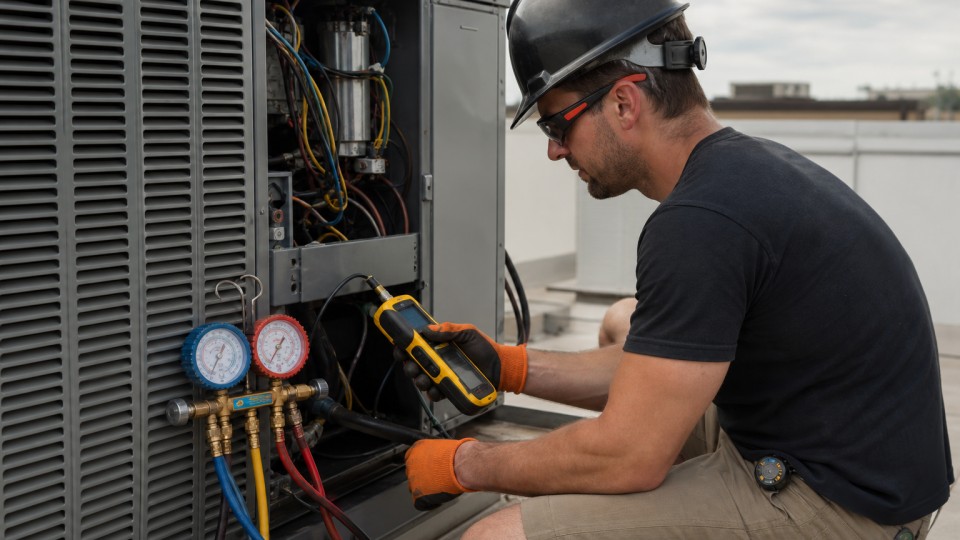
Drift between months 6–18 post go-live is often underestimated. NDIR CO₂ is relatively stable, yet TVOC and some electrochemical channels need periodic zero checks and field references.
Leading operators maintain sensor asset registers—location, last calibration, replacement cycles, anomalies—linked to work orders. Enterprise buyers standardize SKUs to reduce spare-part sprawl.
Senseiot supports batch projects with calibration guidance and remote diagnostics. Submit requirements via request a quote for model selection and volume pricing.
2026 rollout playbook: phased, measurable, scalable
Senseiot advises a three-phase path: pilot multi-parameter floors and validate BMS linkage; expand with unified gateways; then connect ESG reporting and tenant services.
Each phase needs KPIs—CO₂ exceedance hours, ventilation energy YoY, complaint rates. Without metrics, IAQ becomes display-only and loses budget support.
Long-term supply, open protocols, and support responsiveness often beat upfront unit price on lifecycle cost. Reach technical support to discuss your building type and integration stack.