




From factory to site, sensors may sit in warehouse or transit for months. Electrochemical cells are T/RH sensitive; NDIR optics dislike shock and condensation; catalytic beads fear silicones. Proper storage and shipping protect first-power performance.

Ideal storage for uninstalled sensor cells
Typical: 10–30°C (or tighter per datasheet), 30–60% RH, no direct sun or condensation. Keep electrochemical cells in factory bags/caps; avoid target gases, corrosive vapors, and solvents.
Never store near silicone sealants, lubricants, or mold release—trace silicon poisons catalytic beads. Senseiot packs include desiccant/humidity indicators where applicable; reseal if not installing soon. Track batch and shelf life—see product catalog.
Storing complete transmitters and detectors
Store in original cartons with probe caps. For long holds, monthly power-on self-test (portables) or stock mode per manual prevents electrolyte stratification or moisture.
Li-ion portables follow local hazmat storage; 40–60% SOC for long shelf. Wired fixed units not yet commissioned should stay de-energized with terminals protected.

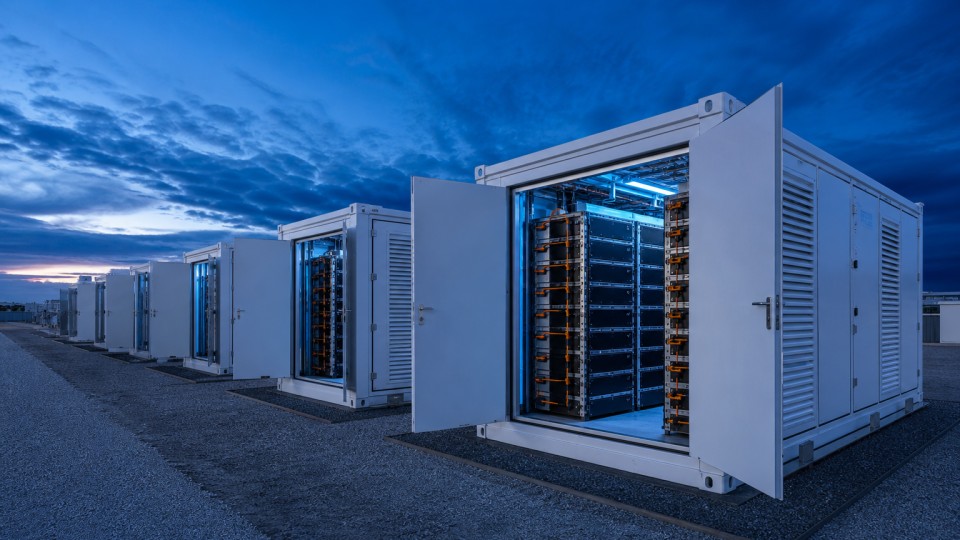
Transport: preventing damage and degradation
Use cushioned OEM-style packing; orient per arrow; no drops or stacking crush. Sea freight risks condensation—use moisture barriers, log arrival T/RH, dry 24 h at room temp if cartons are wet before install.
Air ship Li-ion per IATA/DGR; never ship uncertified gas cylinders with sensors. Cold-chain medical CO₂ modules may need recovery if thawed. For damage claims, keep logistics records and contact us.
Receiving inspection checklist
Match model, range, gas, Ex marks to PO; inspect for cracks, torn membranes, scratched optics; verify manufacture date and remaining shelf life; confirm accessories, manuals, and certificates.
Warm up in clean air before service duty; compare zero to datasheet. Do not enable interlocks on bad zeros—start RMA. Batch projects: sample 5–10% span checks, log serials for all.


Job-site temporary storage and re-handling
Construction sites are hot, humid, dusty—keep cells in closed cases; remove caps last before install; shield from welding smoke. When lifting to Ex areas, use probe caps—never pull by cable.
Senseiot offers site storage cards (ZH/EN/RU) and receiving lists for EPC jobs. Request a quote for logistics aligned to install batches.