



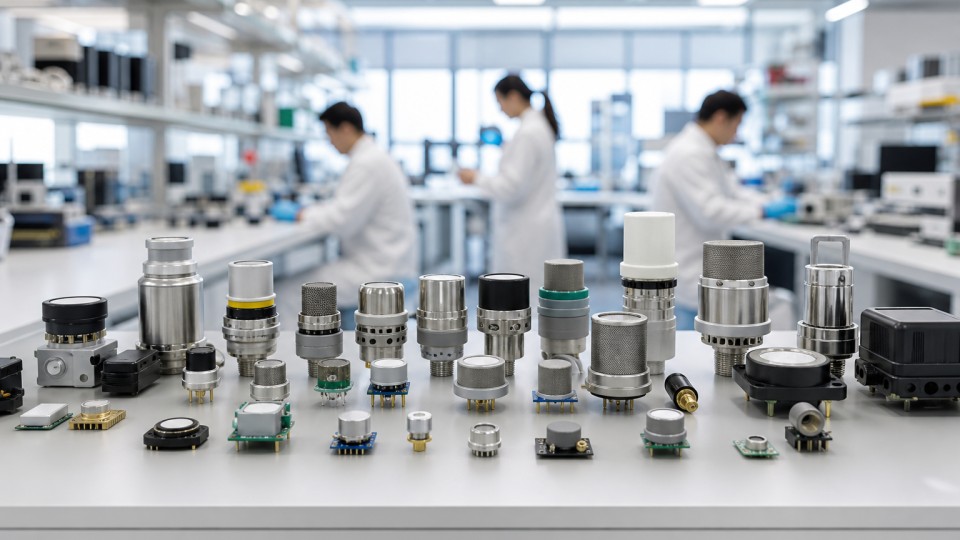
Gas sensors wear out. Electrochemical cells have finite electrolyte life; optics and catalysts foul or poison. Running past end-of-life is worse than skipping calibration—readings may look fine while response is gone.

Typical service life by technology
Reference ranges (environment dependent): electrochemical toxics (CO, H₂S, NH₃) often 1–3 years; O₂ electrochemical 1–2 years; NDIR CO₂ 5–15 years; catalytic combustibles 2–5 years (silicon poison in months); MOS VOC 1–3 years for trends more than absolute accuracy.
Senseiot datasheets state expected life and warranty—include spares in LCC. Compare life specs in product catalog.
Signs replacement is mandatory
Hard limits: span linearity fails; T90 >50% over spec; accelerating zero drift; self-test/life counter expired; physical damage (water, shock, over-range).
Soft signals: worsening portable cross-check; no/low response to span gas; weak catalytic response to methane test gas. Stop safety duty and replace—do not raise alarms to compensate.

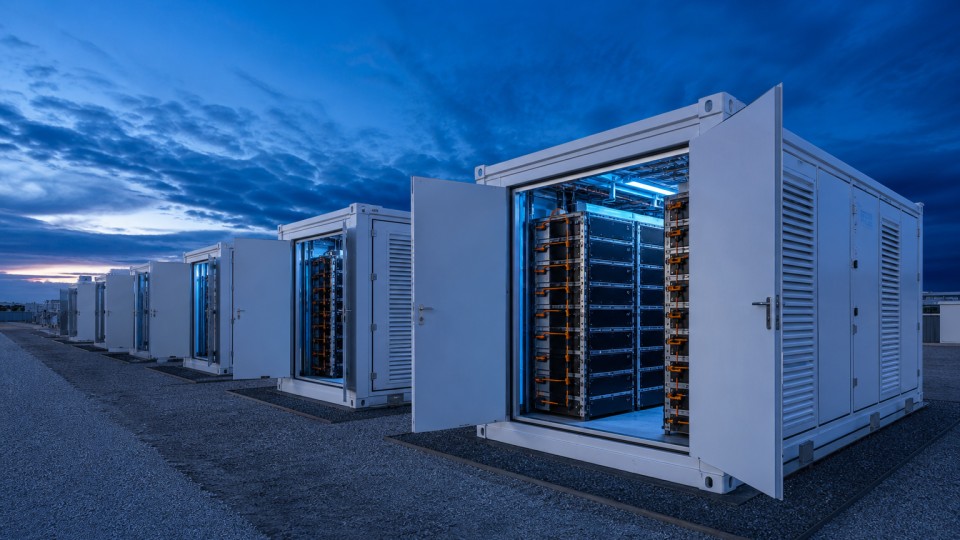
Replace cell vs. whole transmitter?
Plug-in smart cells keep Ex housings and wiring—lower downtime and cost, less e-waste. Full swap when enclosure/electronics fail or Ex cert binds to complete device with no field opening.
Senseiot supports OEM cell swaps with post-change span reminders. Annual spare agreements available—request a quote.
Preventive replacement planning
Asset register: tag, gas, install date, exposure hours, calibration error, history. For critical points, rotate dual heads or replace proactively before peak season.
Use life counters in DCS/gateways if available. Regulated sites may mandate calendar replacement regardless of performance. Maintenance templates via contact us.


Spares storage and swap precautions
Store per vendor T/RH; respect shelf life—expired cells are unreliable. Power down, confirm safe atmosphere, ESD care, correct torque, then zero/span and label.
Ex areas need permits and gas tests—qualified personnel only. Senseiot provides swap guides, torque specs, and calibration forms.