



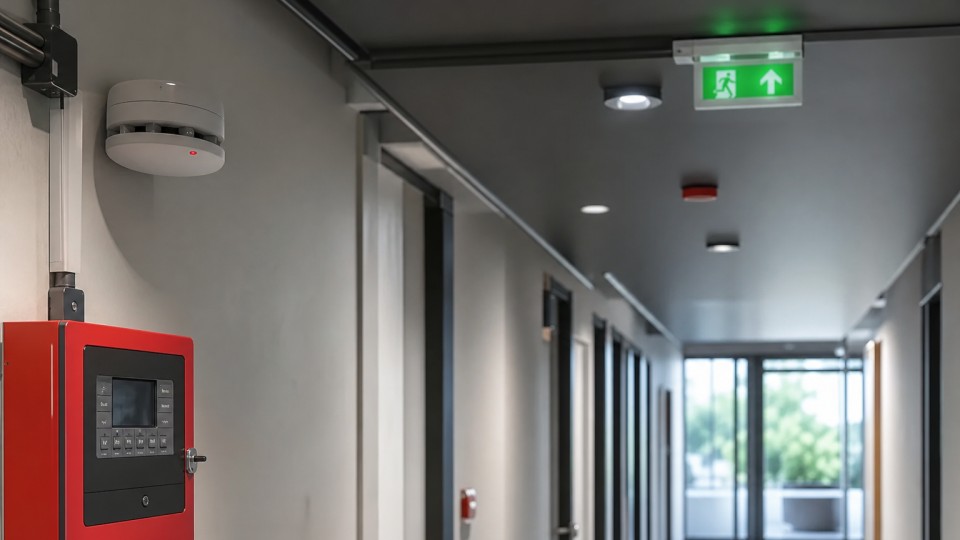
False alarms erode trust and may hide real events. Causes include interferents, drift, poor placement, or overly tight logic. Structured troubleshooting beats swapping sensors blindly.

Step 1: Is it truly a false alarm?
Cross-check with a calibrated portable or sample tube at the alarm location. If the portable also reads high, suspect real leakage or intermittent releases—not instrument fault. Correlate timestamps with operations (start-up, wash-down, welding, painting).
Verify HMI/PLC setpoints, units (ppm vs. %LEL), and delays after program changes. Senseiot recommends MOC snapshots of gas alarm settings.
Cross-sensitivity and interferents
CO cells may respond to H₂; H₂S to SO₂/NOx; MOS to alcohols, siloxanes, solvents. New cleaners or refrigerants after process changes can trigger chronic false alarms.
Review cross-sensitivity tables; add conditioning or choose dedicated models from product catalog or contact us for assessment.


Mounting and airflow
Dead zones, low points, direct solvent vents, or heat sources producing CO create localized highs. Strong drafts can under-read real leaks—also a placement issue.
Re-evaluate height by gas density—light gases rise, heavy gases pool. Relocate and monitor 24–72 hours.
Drift, moisture, and aging
Upward zero drift pushes idle readings toward alarm lines, especially on low-range toxics. Wet membranes, dirty optics, or poisoned catalysts raise baselines. Check last calibration, drift, and T90.
Clean enclosures → zero in clean air → span check → replace cell if needed. Do not only increase delay to hide drift.

Alarm logic and system tuning
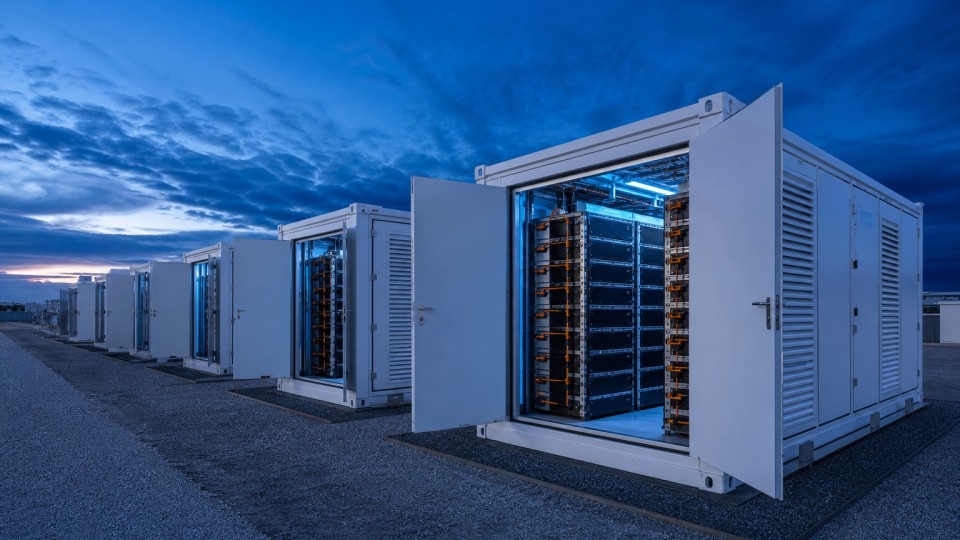
Use delays (3–10 s) and hysteresis to filter spikes; vote or average multiple heads in one zone. Use documented maintenance bypass for known wash cycles—not permanent threshold hikes.
For persistent safety interlock issues, request factory log review. Senseiot offers remote diagnostics and retrofit options—request a quote.