




Calibration is not one-size-fits-all. Senseiot recommends combining target gas, sensor technology, installation environment, and drift history into a practical schedule that meets safety compliance without unnecessary downtime.

What do regulations and industry standards require?
In oil & gas, chemical plants, mining, confined-space work, and fire-linked systems, regulations typically require periodic functional checks and calibration for fixed and portable detectors. Common practice: calibrate before commissioning, then quarterly or semi-annually during operation, with records for audits.
International guidance (e.g., IEC 60079-29, ISA) stresses intervals based on manufacturer instructions and risk assessment. Senseiot datasheets provide recommended starting points; tighten them to match local rules. For compliance guidance, contact us.
How do gas type and sensor technology affect the interval?
Electrochemical cells for H₂S, CO, and NH₃ are stable but age through electrode and electrolyte wear; drift accelerates with high exposure or cross-interference. NDIR and catalytic sensors for CO₂, CH₄, and combustibles often last longer, but contaminated optics or poisoned catalysts still demand shorter intervals.
Semiconductor VOC sensors suit trend monitoring; rely on zero checks and replacement plans rather than long span cycles alone. Browse product catalog by gas and output type for model-specific maintenance notes.

How does the installation environment change frequency?
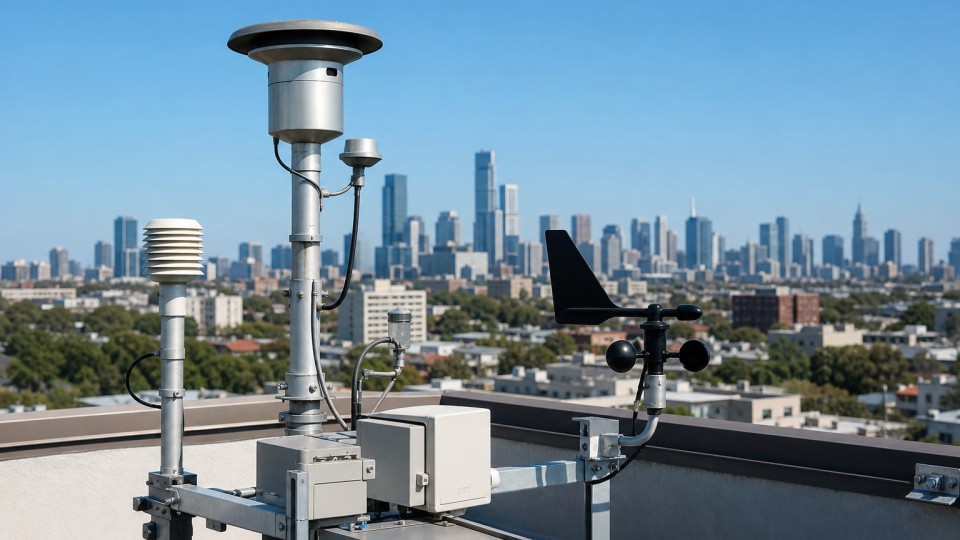
Heat, humidity, dust, salt mist, vibration, and EMI accelerate aging or bias readings. Examples: large temperature swings at cold-store doors, intermittent H₂S peaks in wastewater, solvent cross-sensitivity in paint shops—all can exceed lab-specified drift.
Maintain a log per harsh location: temperature/humidity range, peak concentrations, last calibration error. If two consecutive calibrations exceed tolerance (often ±10% of reading or per your SOP), shorten the interval by 30–50%. Senseiot can help assess environmental fit.
When to perform zero vs. span calibration?
Zero calibration in clean air removes baseline drift; span calibration with certified gas verifies scale accuracy. Many sites run a fresh-air zero check each shift, while full span runs on schedule.
Never zero in air that still contains target gas—that creates a false baseline. Senseiot recommends zeroing only after ventilation and stable readings. Use in-date span gas near alarm thresholds or operating concentrations, not only full-scale single points.


Signs you should calibrate early
Calibrate or service early when: portable cross-checks show persistent bias; false or delayed alarms increase; T90 response slows; self-test flags end-of-life; the unit suffered shock, flooding, or over-range exposure.
Calibration logs plus drift trend charts enable predictive maintenance. Senseiot transmitters and gateways expose diagnostic data for platform tracking. For fleet maintenance or span-gas selection, request a quote for engineer support.